

What It’s Really Like to Be a Water Hygiene Engineer
Behind the scenes of one of the most important jobs you never hear about
The People Behind Water Safety
When people think of water safety, they imagine taps, showers, and tanks, not the engineers who protect them. The role of a Water Hygiene Engineer often goes unnoticed despite the work involved in protecting public health.
Why Their Role Matters
Every business, from schools and offices to retail sites, care homes, hotels, and hospitals, has a duty of care to manage Legionella risk.
Behind that responsibility are water hygiene engineers making sure systems stay clean, compliant, and safe.
At Irrigonics Limited, our engineers travel across the UK every day helping clients keep water systems safe from Legionella and other harmful bacteria.
Life on the Front Line
Here’s what life is really like on the front line of water safety.
The Early Starts
Most days begin before sunrise.
Jobs are spread across care homes, hospitals, gyms, and commercial sites – so route planning, equipment checks, and temperature probes all have to be ready to go before the first cup of coffee.
Our engineers often cover hundreds of miles a week. They’ll know the A-roads better than most lorry drivers – but each journey matters, because every stop means another building made safer.
“Most people are just starting their day when we’re already on the road.”
The Job Itself — More Than Just Sampling
Many people think water hygiene is just “taking water samples.”
In reality, it’s a technical discipline that blends plumbing knowledge, microbiology awareness, and compliance accuracy.
A typical day might include:
- Testing hot and cold outlet temperatures
- Inspecting water tanks and calorifiers
- Checking for dead legs, leaks, or stagnation points
- Sampling water for lab analysis
- Flushing and pressure testing expansion vessels
- Cleaning and disinfecting cold water storage tanks
- Servicing and maintaining TMVs (Thermostatic Mixing Valves) to ensure safe outlet temperatures
- Keeping accurate records across compliance and monitoring software
- Reporting non-compliances and recommending corrective actions
Engineering Insight Behind Every Reading
Using software like Zetasafe, engineers log and track all tasks in line with the compliance scheme, giving both engineers and clients a clear, auditable record of activity across individual sites or entire estates.
Each customer has access to their own portal, where they can view reports, track actions, and monitor compliance in real time.
But collecting data is only part of the job.
Engineers must understand what the information is actually telling them about the condition and behaviour of a water system. Temperature failures, stagnation risks, inconsistent usage patterns, poor turnover, or recurring non compliances all point to wider system issues that require technical understanding, not just routine testing.
Engineers use automated reporting to report non compliances, recommend corrective actions, and give clients a clear view of compliance across single locations and multi site portfolios.
Every reading, service, clean, and photo captured feeds into the system, building a complete and transparent picture of whether a site is Legionella safe, or where risks may be developing.
“It’s never just one reading. It’s what that reading is telling you about the system.”
The Thinking Behind the Tools
Good water hygiene engineers don’t just follow a checklist – they think critically.
They know how systems are designed, how water flows, and where problems hide.
They’ll spot the outlet that “looks fine” but hasn’t been flushed in months.
Test temperatures for tank that are slightly warmer than it should be.
Question readings that don’t make sense – because guessing isn’t good enough when compliance and lives are on the line.
This job isn’t about ticking boxes – it’s about preventing harm.
The Human Side
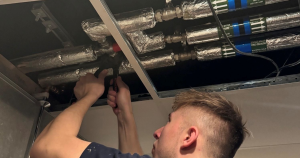
Because water hygiene engineers walk into care homes, hospitals, and workplaces every day.
They speak with managers, nurses, and maintenance teams, often people under pressure to stay compliant and keep others safe, while not always fully understanding the responsibilities involved in managing a water system.
They’re not there to judge. They’re there to help.
That means explaining technical results in plain English, clarifying duties and risks, and showing exactly what needs to be done to stay compliant, so no one is left guessing when it comes to water safety.
Because the environments they work in aren’t just buildings. They’re places where people live, recover, and work every day.
Building Trust Through Support
That calm, practical support is a big reason Irrigonics continues to achieve award winning customer satisfaction, building long term trust and relationships with clients year after year.
Good service is not just about completing tasks. It’s about helping people understand risks, responsibilities, and the actions needed to stay compliant.
For many clients, confidence comes from knowing they have experienced engineers who provide clear advice and practical guidance, not just reports.
The Reality of Risk
Engineers see first-hand what most people never do: scale build-up, corroded fittings, or standing water that’s been stagnant for weeks.
These are the hidden breeding grounds for Legionella.
They don’t dramatise it – they identify the risks and act within the scope of their work. Where required, they clean, service, and correct issues; where it falls outside of that scope, they clearly report and advise on the actions needed. Because the best engineers don’t just respond to problems – they make sure risks are understood and addressed before they ever make headlines.
The Risk People Don’t See
Fire safety is visible. Alarms, extinguishers, signage – it’s obvious, immediate, and regularly tested.
Legionella risk is different – it’s hidden, and that’s exactly why it gets missed. It sits behind walls, inside pipework, and within water systems that look completely safe on the surface.
But the consequences aren’t smaller – they’re just less visible until it’s too late.
That’s where experienced engineers make the difference. At Irrigonics Limited, our engineers don’t just carry out tasks. They understand systems, identify hidden risks, and show clients how to maintain compliance and keep sites safe.
Because managing Legionella isn’t about reacting to problems. It’s about knowing where to look before they happen.
By the End of the Day
Readings are completed, data uploaded, jobs logged and any urgent risks reported back to the office.
But getting there isn’t always straightforward. The job means dealing with traffic, hunting for parking on busy sites, carrying equipment through buildings, climbing stairs, and accessing loft spaces with limited space and awkward access.
It’s physical, it’s demanding, and no two days are ever the same.
Yet despite the challenges, there’s a clear sense of purpose. Because at the end of the day, it’s about knowing the job has been done properly – risks identified, systems checked, and another site made safer.
That consistency, day in and day out, is what makes the difference.
“It’s not glamorous — but it’s essential.”
That’s how most engineers describe their work.
It’s not about recognition. It’s about accountability, accuracy, and public health.
Without it, buildings become unsafe. With it, residents, patients, staff, and customers can use water every day without a second thought.
Supporting You in Managing Water Safety and Compliance
Legionella risk doesn’t manage itself — and it’s not something you can afford to overlook.
Whether you’re responsible for a single site or a multi-location portfolio, having the right expertise in place makes all the difference.
At Irrigonics Limited, our engineers don’t just carry out checks – they provide the insight, guidance, and practical support needed to keep your systems compliant and your people safe.
If you’re unsure about your current water hygiene status, or want a clearer picture of your compliance, get in touch with our team today.
Stay Connected
Follow Irrigonics Limited for insights, guidance, and updates on water hygiene, compliance, and Legionella control:
You can also explore our other articles and services to better understand how to manage water safety across your sites.
Because water safety isn’t visible — but the risks are real if it’s ignored.